

AI changed how fast I can ship. It didn’t change what still decides whether the ship is worthed: a clear customer, a solution for their most painful problem, a story of their win, and my judgement. Working Backwards (WB) is how I keep that discipline, and what I teach in my AI-Native Practitioner Programme. This week, I’m sharing the WB PM bot I created for the programme and use daily myself.
What You’ll Learn
💡 What is Working Backwards, and why still holds when AI makes building fast
💡 How to start with a customer before you build
💡 How a free Working Backwards PM bot can help you practice that this week
🎁 Free Working Backwards PM bot for Grok Bot
🤖 The bot team behind my work, and how to get early access
Hi 🙋🏻♀️, if you noticed the quieter weeks after early September… I have some news! August was my last month at Amazon. I’ve moved from Berlin to Granada (Spain). After almost nine years working at Amazon, I’m now focusing on WonderLead full time. I ‘ll keep writing about my experiences at AWS, but nothing confidential.
In WonderLead, I want to continue doing what I was doing at Amazon:
Help with AI adoption and literacy, and in career development through my coaching and apps.
Shipping got cheap. Understanding the customer did not.
Something shifted for a lot of us this year.
We can draft a prototype in an afternoon. We can generate copy, wireframes, and half a codebase within a few hours. The bottleneck moved. Building is no longer the scarce part. Knowing who we are building for, and why that person would care, still is.
At Amazon, we make decisions based on data. In my teams, when a feature came top down, we were able to ship fast but still felt unsure, because we didn’t understand the why or the customer. Even the quality and velocity got impacted. With AI, it’s the same. The tool can produce something, but the real customers might feel it isn’t for them.
What is the Working Backwards Methodology?
Start with a real customer. Understand their problems and main pain points. Then define what to build, in writing, before we fall in love with the build. If we can’t explain the benefit in plain language or if the solution isn’t exciting, we’re not ready to build and spend that effort on it.

Why Does Working Backwards Still Hold with AI?
AI makes that discipline even more valuable. When generation is cheap, the cost of building the wrong thing looks low until you count the time, the attention, and focus we spent. When working backwards, the 5 Customer Questions and Press Release and FAQ (PRFAQ) documents still force us to say who benefits the product, what changes for them, and which objections exist.
Working Backwards with AI is what I teach inside WonderLead AI-Native Practitioner Programme: a practice that starts with humans judgement, then uses AI as the main builder in a cross-functional AI-native team, with senior big-tech professionals holding the quality bar.
How to Work Backwards from the Customer
Start with the customer before you build a list of features.
The Working Backwards methodology has 2 types of documents:
The 5 Customer Questions (5CQ):
We used to start with the 5CQ to align first before going deep into the writing of the PRFAQ. It’s about answering 5 questions in detail, backed by data. By answering those questions in detail, the team is aligned and we can even start building while the PM aligns the PR with executives and writes the FAQ with other members.Who is the customer and what data we have about it.
What is the customer problem or opportunity?
What is the solution the customer would keep?
How does the user experience look like?
How will we define success?
The Press Release and FAQ (PRFAQ):
Imagine the Product Hunt announcement of your product, written before you start building. The PRFAQ is a fictional launch note that describes in detail the product and its experience. It has at the bottom the questions a sceptical customer and a sceptical exec would ask. Before AI the PRFAQ could take months to align between leaders at AWS. So the product team used to start building before complete alignment. Now with AI the bottleneck is not the writting but the research and review time.
Start from the 5CQ and align with your team. Prototypes often help with alignment. Consider building a quick prototype here. After you align with the team, write the PRFAQ. Use the 5CQ and PRFAQ as your spec. I use both as the source when I do spec-driven development. 5CQ for the demo. PRFAQ for the final product.
Spec-Driven Development is a software methodology where detailed specifications serve as the primary artifact, guiding AI-generated code and ensuring alignment with architectural and functional intent.
Building backwards is how you spend tokens on purpose. Your spec drives the development. Spec-first work wastes fewer cycles because the agent is coding against a decided problem, not exploring one.
My Working Backwards PM Bot, For You, Free
Inside the AI-Native Practitioner Programme, we practice product work the way Amazon teams do it: customer first, narrative clarity, team alignment, bar hold by senior professionals, then build. One of the tools we use is a WB bot shaped around Working Backwards.
It helps us:
Name the customer and its situation.
Research for more data and consumer insight.
Define the solution and its user experience.
Draft a press-release style narrative of the product we will create.
Surface the skeptical and technical FAQ questions, and proposes answers.
Today, I’m sharing one version of that WB bot for free.
Subscribe to get access to the Free WB PM bot:
Meet the Bot Team Behind WonderLead
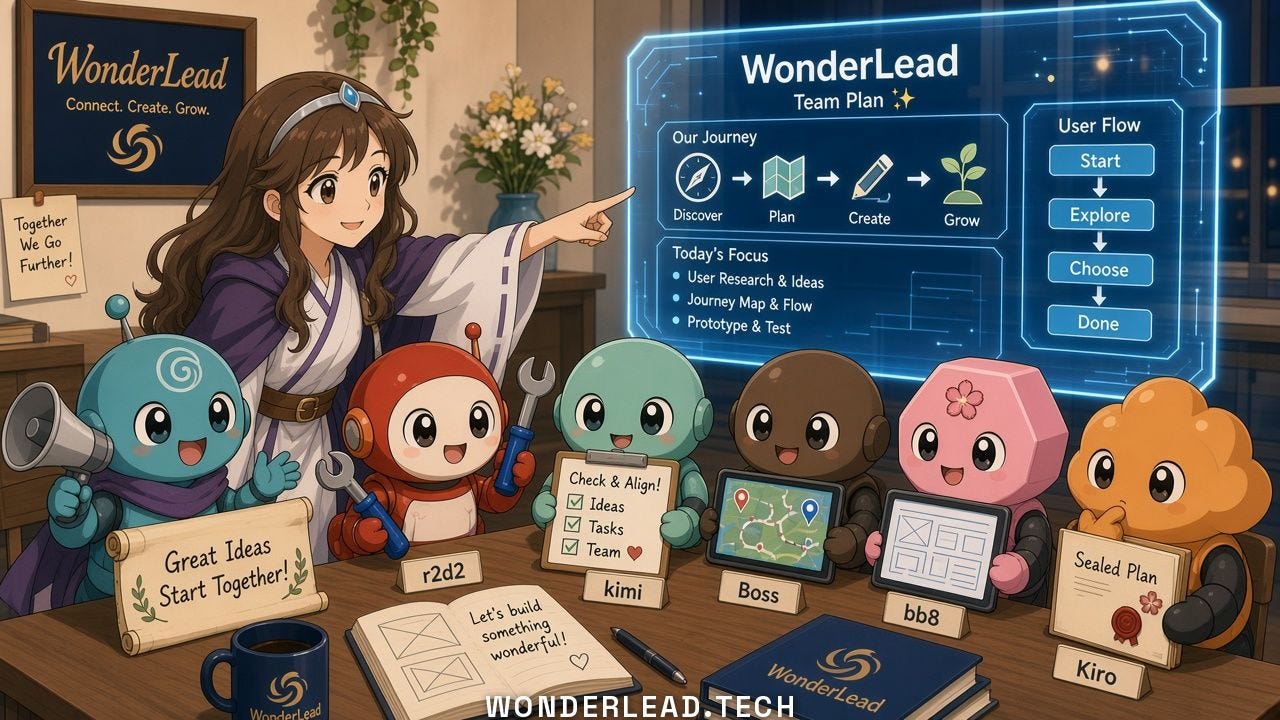
The WB PM bot is one member of a bigger team.
I worked for almost 9 years at AWS in two-pizza teams of around 8-10 engineers, and the last year I lead AI adoption across multiple teams from AWS CX, Console Platform, and PartyRock organizations. It has officially been 1 month since I left at Amazon and I already miss to work with a team: strategizing, parallelizing…
But now I’m building WonderLead solo and I don't have a ten-person team next to me. So I created six specialist bots, each with one job. It’s the same we use while creating real products in a real team in the AI-native Practitioner Programme with senior professionals holding the quality bar.
Let me introduce you the team:
Kiro starts with the customer. It answers the 5 Customer Questions and writes the FAQ. It’s the same WB PM bot I shared with you above.
bb8 owns UX and the frontend.
Boss keeps the queue in order, so every task goes to the right bot at the right time.
kimi is the tech lead. It designs, splits the work into tasks and reviews every line of code.
r2d2 does the implementation.
c3pO writes the positioning and checks it against what customers already use today.

They hand work to each other through shared files and tickets, the same way a product team does.
The bots draft. I decide. Nothing reaches production without a human reading it and saying yes.
This is how I built WonderLead page and tools that you can find in the site.
It’s also how we develop the products in the AI-native Practitioner Programme.
I'm packaging the whole team so you can run it on your own work from any AI tool. You’ll be the first to know when it’s ready.
Final Thoughts
AI made building cheap. It didn't make the customer clear. That part is still ours.
Pick one person, one problem, and write it down before you build.
Let the bot draft, and you decide.
Try the WB bot this week and tell me in the comments what it changed for you.
I’ll reply to every comment.
I started WonderLead in Tech when I decided to leave Amazon 2 years ago. I wanted to share what I learned about leadership and create a community to support each other in our careers. Today is a special day because I achieved my goal and it’s my first month officially out of Amazon.
So before I go, I want to say Thank You:
Amazon was my home for almost nine years. I learned to start with the customer and to hold a high bar, but what I take with me most are the people. The teams in Berlin who learned AI together with me, the leaders who trusted me, the principals who coached me, and the teammates who made hard launches fun.
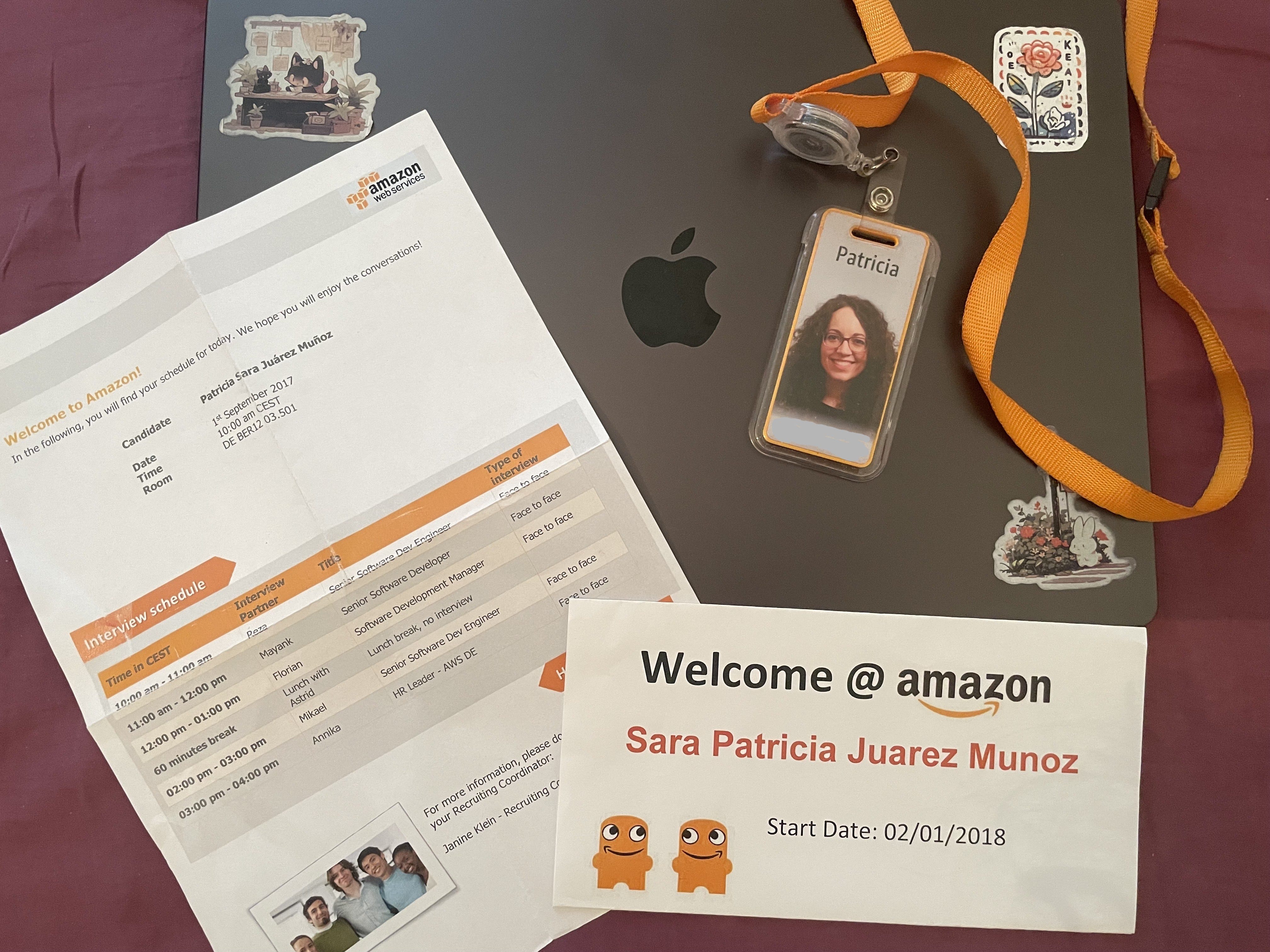
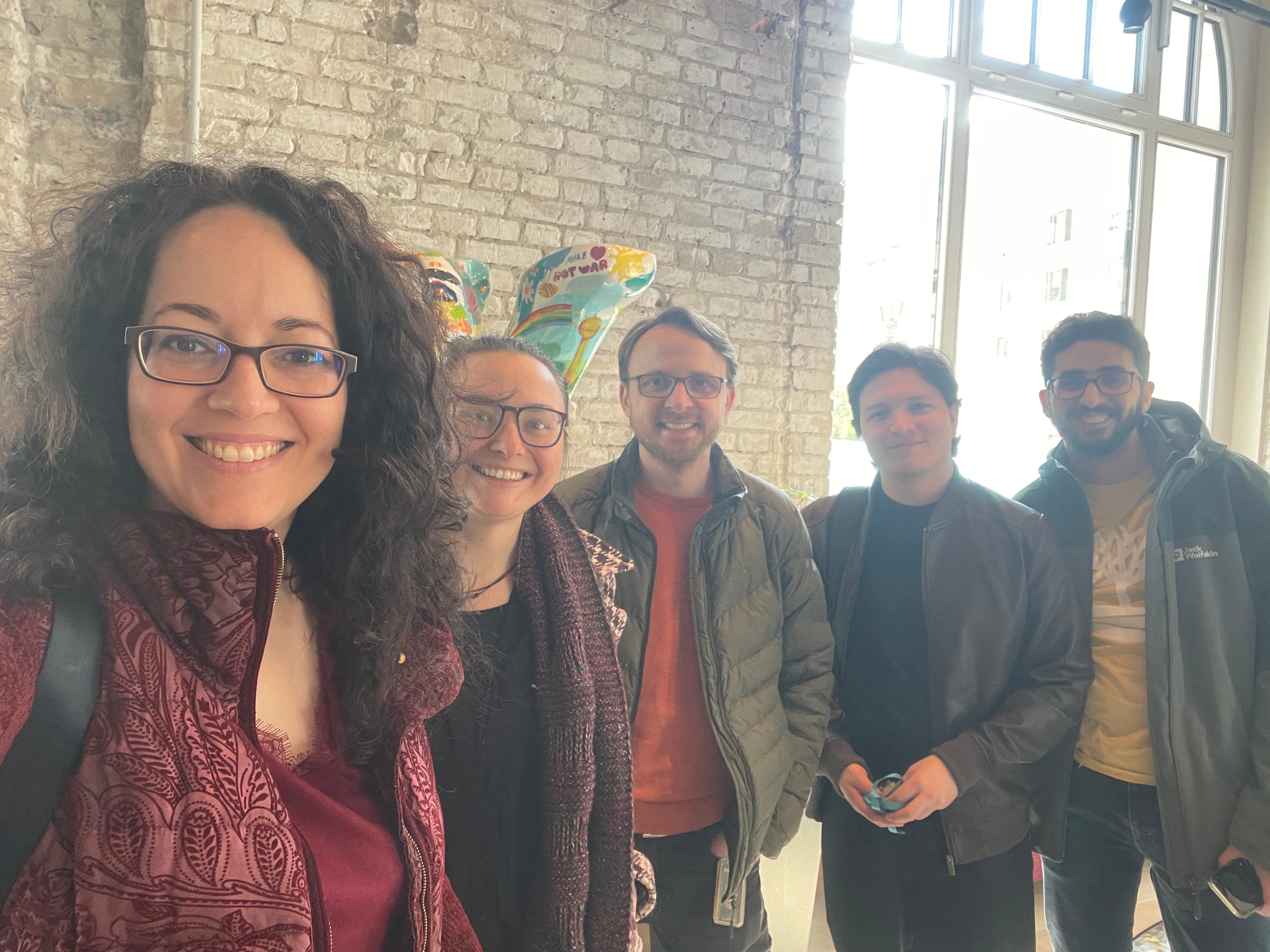
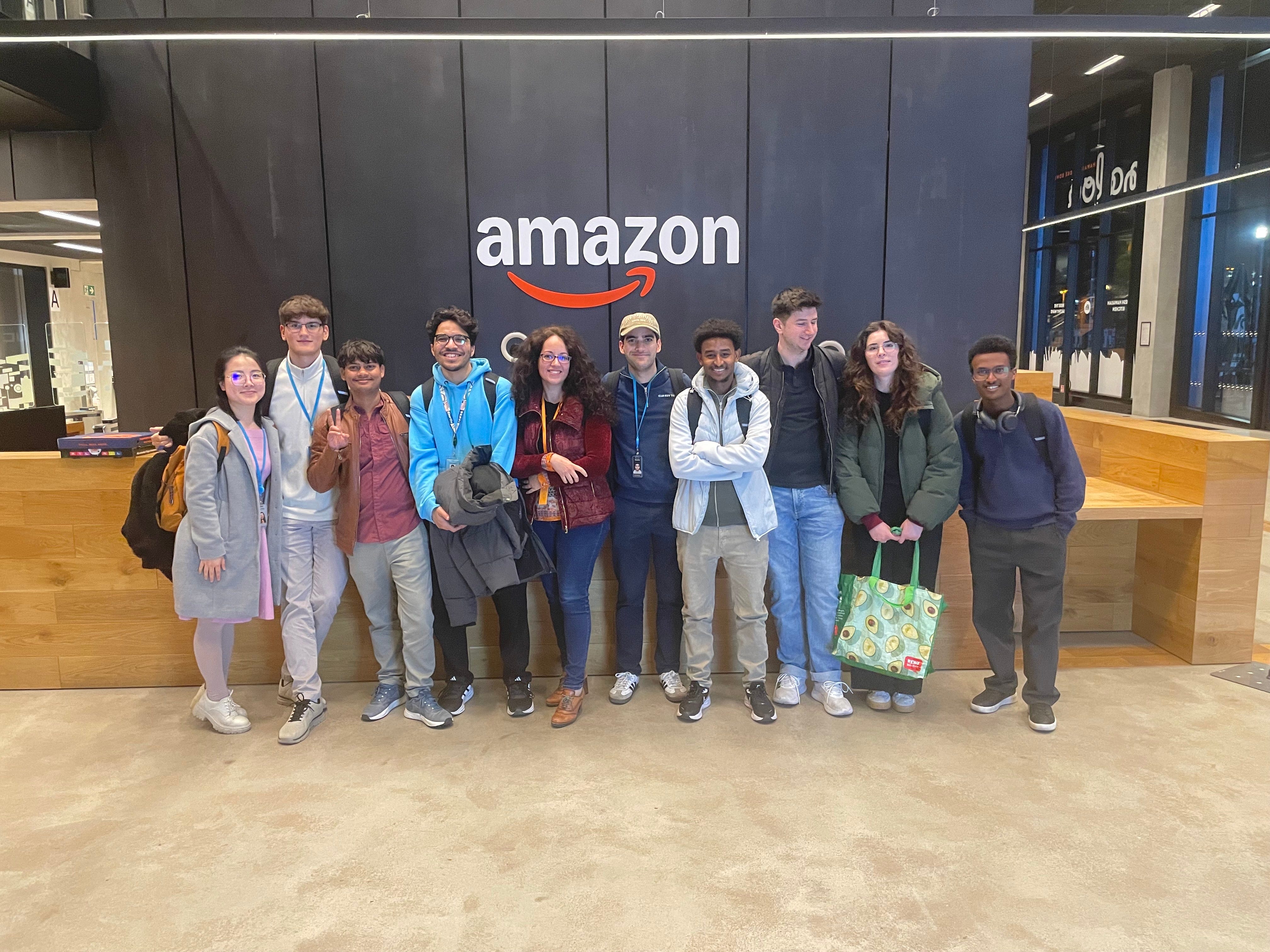
Much of what I teach today, I learned it from you.
Thank you.
The views in this post are my own and based on my personal experience at AWS.
They don't represent Amazon, and nothing here is confidential. Working Backwards, the 5 Customer Questions and the PRFAQ are publicly documented Amazon practices.